The living archive of human becoming.
Bright, honest, human stories of people finding their way home. Gathered here so you can find yourself in them. So you have a soft place to land when the world feels too fast. So you feel less alone in your own becoming.
Some stories arrive through The Show: unhurried conversations where remarkable humans share how they found their way to something true.
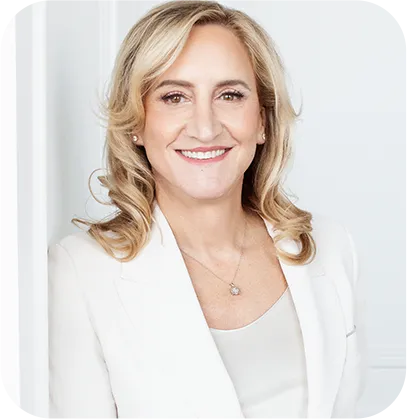
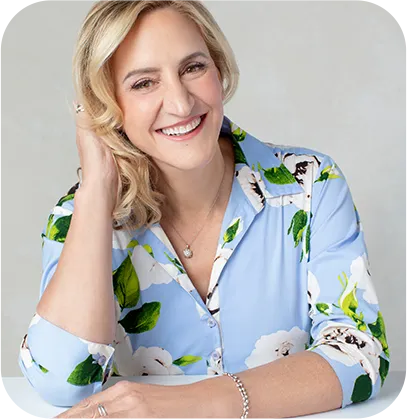
Some arrive through The Letters: weekly reflections from Katherine, small offerings for the path.
Some are still being written. Some are waiting to be told. Some might be yours.
This collection grows every week. It breathes. It lives.
Every week, Katherine sits with someone extraordinary.
Not extraordinary because they’re famous. Extraordinary because they’ve stopped performing and started being real. Because they’ve walked through something hard and emerged softer. Because they’ve found their way home to themselves and are willing to share how.
These conversations are long. Unhurried. There is no agenda, no soundbites, no performance. Just two people being honest with each other about what it means to be human.
Listen when you need to feel less alone. Listen when you need inspiration. Listen when you want to be reminded that the gentle, sincere life is possible.
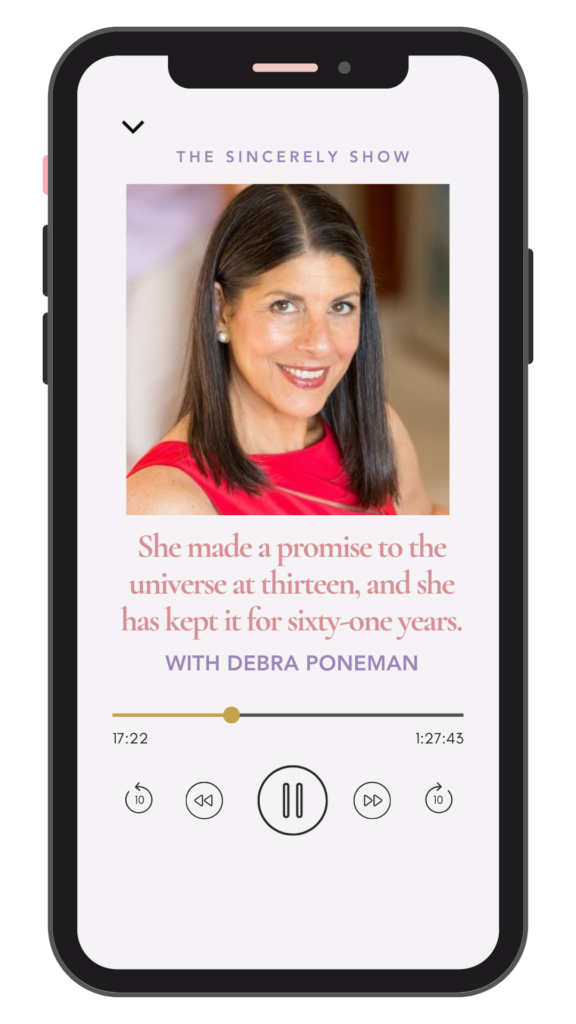
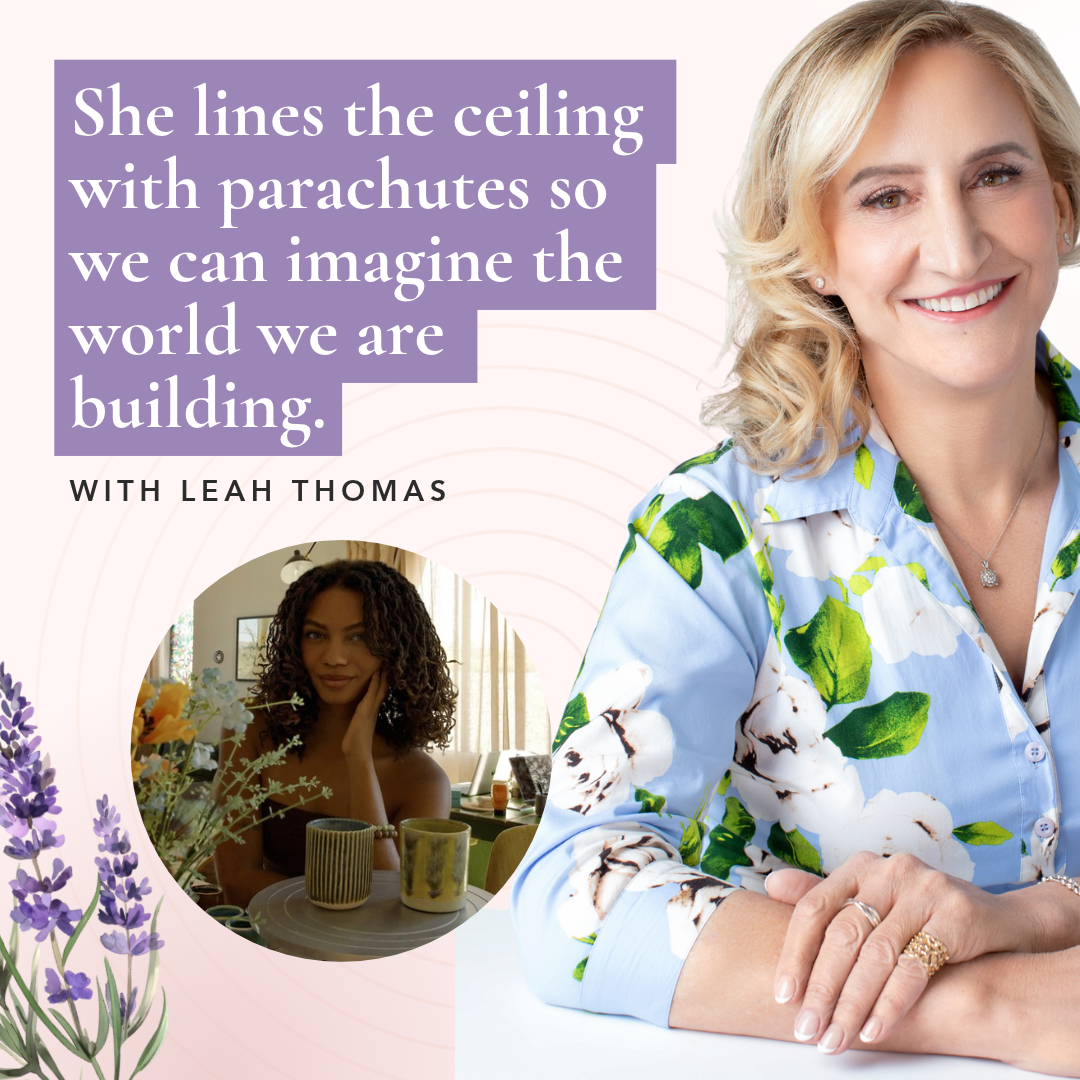
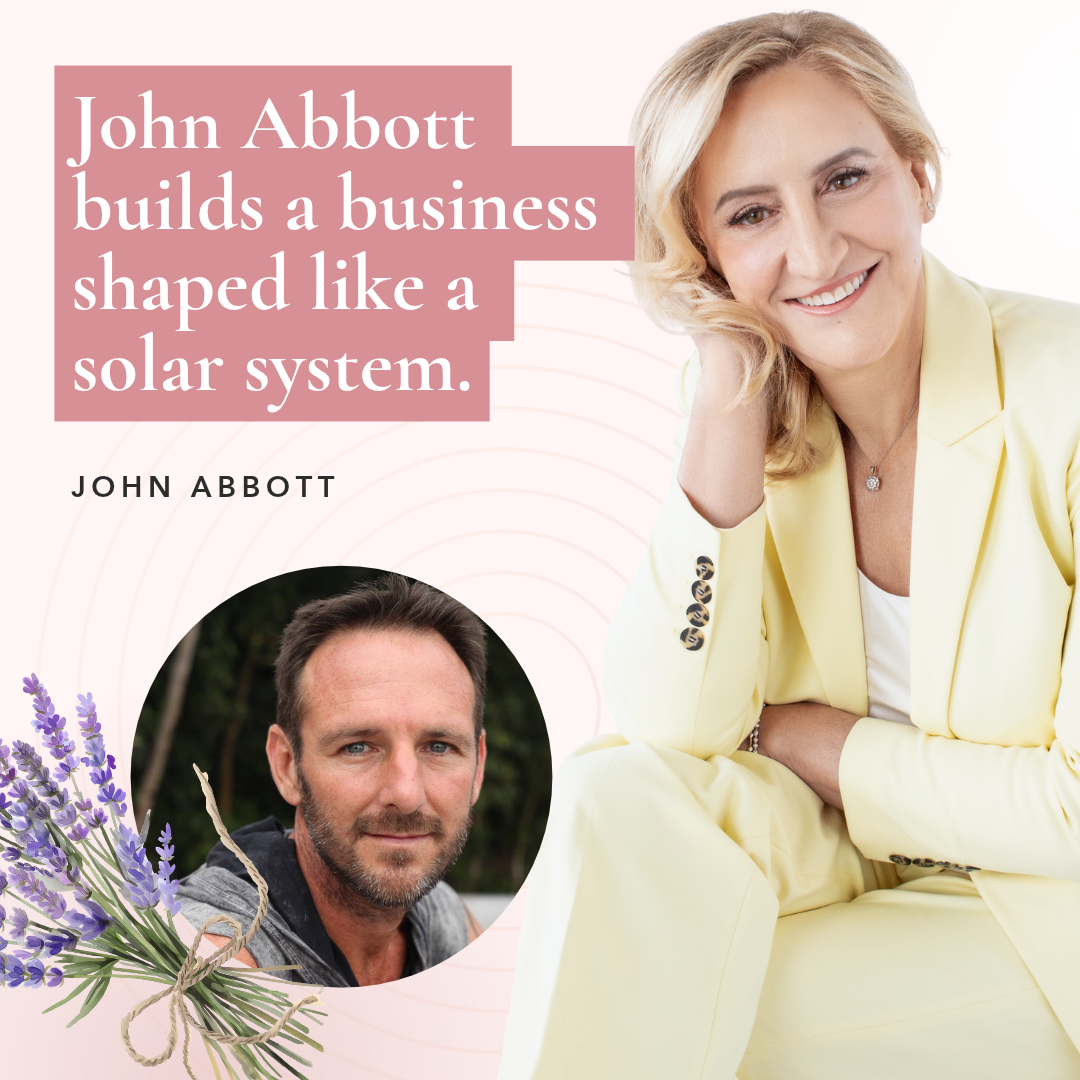
The Sincerely Show is available wherever you listen.
Once a week, Katherine writes.
Not instructions or advice. Just honest reflections on what it means to live sincerely. On what she’s learning. On what the conversations are teaching her. On the small moments that hold something true.
These letters are quiet. They arrive in your inbox like a note from a friend. They ask nothing of you except to be read, if you have the time, and to take what resonates.
“I’m going to teach you a lesson.”
Those words take me right back to childhood. A parent, a teacher, even a bully. I can almost hear the warning in the voice and feel the fear and anxiety it sometimes carried. Yet I can also picture a mother pulling up a chair beside her child, gently helping them understand something new. Or that same mother standing over her child, finger raised, determined to teach a lesson through discipline and fear.
Both may believe they are teaching a lesson. But what does the child actually learn?
I became curious about the word itself. Lesson comes through Old French from the Latin lectio, meaning a reading. Over time, it also came to describe something learned through experience. Yet the familiar expression “I’ll teach you a lesson” carries an altogether different meaning, one of punishment and correction.
It raises a question for me. How do we actually learn? How do we develop understanding and wisdom?
I began exploring the research and discovered that fear can teach us to avoid danger or punishment, but it can also make our thinking and responses more rigid. We may change our behaviour without developing the understanding or skills to respond differently. Learning also happens through observation, experience, practice, reflection and the support of others. Discipline and guidance have their place, but they need not come with fear.
I was fascinated by psychologist Barbara Rogoff’s research on learning without formal lessons. In Indigenous Mayan communities she studied, children learn through watching, participating and contributing to the lives around them. The First Peoples Principles of Learning, developed in British Columbia, also recognise learning as deeply connected to relationships, lived experience, reflection, memory and story.
I think, too, of the traditions of storytelling and sharing circles found within many Indigenous communities, each with their own teachings and protocols. The opportunity to sit together, share experiences and listen respectfully. To learn from another person’s story without needing to interrupt, judge or correct. There is something deeply human and beautiful in this way of learning.
And then there is everything we can learn from observing nature.
On the farm, I watch the bees, the birds, the trees and the changing weather over the lake. Each season has its own rhythm of growth, harvest, rest and renewal. For generations, people have developed extraordinary knowledge through observing animals, plants, the changing seasons, the land and the sky. Indigenous knowledge holders, in particular, have developed rich understandings of the natural world through generations of close observation and lived experience.
There is so much to learn when we pay attention.
We also have an entire world within ourselves to observe. Our thoughts, feelings, reactions and intuition. I am learning to notice when I feel open, when I become guarded, when fear rises and when something brings a deep sense of peace. Sometimes I sense something before I can find the words to explain it. I am learning to listen to those feelings, to reflect upon them and to better understand myself.
Research into learning and wisdom tells us that experience alone doesn’t necessarily make us wiser. Reflection matters. Our willingness to consider different perspectives, recognise patterns, question our assumptions and bring what we have learned into how we live. And how we reflect matters too. We can revisit an experience through fear and self-judgement, or with curiosity, compassion and a genuine desire to understand.
Fear-based lessons can build walls constructed from fear and judgement. Wisdom and insight help us develop skills to listen, to understand, to navigate uncertainty, to care for ourselves and to love others.
Through the Sincerely Show, I have the privilege of sitting with people who have dedicated their lives to service and contribution. Many have experienced extraordinary challenges. Yet what moves me most is how their experiences have deepened their understanding of humanity and inspired them to help others.
Not to judge, correct, teach someone a lesson or fix another human being. Simply to nurture them, help them discover their own potential, and bring light and love into their journey.
What a beautiful gift we can offer one another.
I find myself learning through these conversations and through my own life. Through family, friendships, the people I encounter and the world around me. The more I observe and reflect, the more I appreciate how much we can learn from one another, often without anyone intending to teach us anything at all.
And the more I reflect upon what makes a meaningful life, I increasingly think about building a life where we feel safe, loved and nurtured. Where we learn to love ourselves, find peace within our hearts and contribute to the well-being of others.
I keep returning to that image of a mother and child. A finger raised in judgement, or a chair pulled up alongside. Both may leave a lasting lesson. One may teach us to build walls to protect ourselves. The other can help us develop the understanding, courage and love to live more fully.
What if “I’m going to teach you a lesson” is simply life telling us that this journey, this lifetime, is meant to be experienced fully? That life itself, when lived fully, becomes a series of lessons revealing the beauty of existence…our own, that of others, of humanity, and of the world we share.
A few days ago, I was talking with a friend, someone I care about and deeply admire. We were talking about family, about the things we carry through our lives, and about her journey of breaking a cycle of intergenerational trauma.
At one point, she referred to herself as the black sheep of the family.
Those words stopped me. I have never seen her as a black sheep. I see an extraordinary mother, an incredibly curious, creative and talented human being, and someone who is beautiful inside and out. Someone who has found the courage to journey deeply within herself, to embrace more of who she truly is, and to live from that place. Her essence. Her uniqueness. Her beauty.
I asked her, “Does claiming your authentic self mean that you’re the black sheep of the family?”
Her answer was “yes”.
I have been contemplating that conversation ever since.
I had never thought of myself as the black sheep of my family either. And yet, when I began the journey to understand and eventually affirm my gender, I was confronting something I had known from a very young age. I was different. I knew what I was doing as an adult was rare and could be deeply disruptive to people I loved. I carried fears of judgement, rejection and abandonment. I deeply contemplated suicide. I had no idea how to take on the journey or how my family, friends, colleagues or community would respond.
Perhaps some of them did see me as the black sheep. I really don’t know.
What I do know is that I wasn’t trying to be different. I was trying to understand something deep within me that had been there since childhood. Something I had never fully understood or known how to express. And that journey became so much more than affirming my gender. It became a journey towards understanding, accepting and loving more of who I am. My essence.
As I’ve reflected on my friend’s words, I’ve become curious about the expression itself.
Historically, naturally white wool was more commercially desirable because it could be dyed into so many colours. Think of all the beauty created through fashion, textiles, design and art. And yet, there is something interesting about how we assign value. White wool could be transformed, transmuted, even muted into what someone else wanted it to be. A performance shaped by another’s expectations.
Black wool, with its own natural colour, was considered less desirable for some of those purposes. And it too can be woven into beautiful textiles, designs and creations while retaining its natural colour. Its natural essence. The more I thought about it, the more I realised that both black and white wool are beautiful expressions of nature, of life, each with its own qualities and perfection. It was we humans who judged one as more valuable based on what we wanted it to become.
And that got me reflecting again about ourselves.
How much of our lives do we spend learning to become what others want or expect us to be? From childhood, we learn the ways of our families, our communities, our workplaces and the broader human family. We learn what is acceptable, what earns approval, what helps us belong. Sometimes we become so good at fitting in that we lose sight of parts of ourselves that were always there. Our uniqueness and beauty.
Perhaps the so-called black sheep is someone who has begun to release those expectations and live more fully from their nature, their natural essence. Their uniqueness becomes visible, and sometimes that makes others uncomfortable. Witnessing someone living more authentically can stir something deep within us, something we don’t yet understand or haven’t found the courage to express ourselves. We may react defensively and judgementally to what feels unfamiliar, or to something within ourselves that is quietly asking to be explored, while fear encourages us to resist. The person standing before us becomes a mirror, reflecting parts of our own essence that are longing to be seen.
And there is a beautiful gift in that.
My friend spoke about healing intergenerational trauma, about breaking a cycle. I’ve been thinking about the word healing too. It can suggest that something was broken and needed to be fixed.
What if our original essence was never broken? What if it was perfect, whole and complete?
What if, through our experiences of judgement, rejection, shame and trying to fit in, we accumulated layers of protection around something that was always beautiful and whole? It’s like scar tissue, formed through experiences that hurt us and through the ways we learned to protect ourselves in a family, group or world that values fitting in to what it values.
Perhaps healing is less about fixing ourselves and more about gently releasing what no longer serves us. Learning to understand why those layers formed, finding compassion for ourselves and the people who came before us, and allowing more of our original essence to become visible once again.
I think about my own parents and ancestors, whose lives were shaped by war, displacement, loss and survival. I have come to understand how fear, silence and ways of protecting ourselves can travel through generations. And how love, courage and resilience travel too.
What if breaking a cycle is an expression of love for our family and our ancestors? A releasing of something we no longer need to carry, while honouring the lives and experiences that came before us.
And what if, in doing so, we create more room for the generations that follow to simply be themselves?
This brings me back to something I explored in my earlier letter, Entelechy: A Doorway. Aristotle spoke of Entelechy, an ancient Greek word that has come to mean something deeply personal to me. The quiet longing within us to know and express what has always been there.
Joseph Campbell said, “The privilege of a lifetime is being who you are.”
I love that word, being. Being.
Perhaps the privilege of this lifetime is to discover and love the beautiful being who has been there all along, rather than spend our lives trying to become someone more acceptable to others.
And as we learn to love more of ourselves, perhaps something else begins to happen.
I think about the love I have received from my children, my friends and so many others throughout my journey. Their love helped me find more love within myself. And as I have learned to love myself more deeply, I have found a greater capacity to offer that love to others.
When someone finds the courage to release what has obscured their natural essence, their light becomes more visible. And perhaps that light becomes a mirror for someone else, awakening a longing to live more freely, more truthfully, more lovingly.
They may begin their own journey, in their own way, towards their own beautiful essence.
I find this knowing extraordinarily beautiful. Each of us carries our own unique gifts, our visible and invisible dimensions of human uniqueness, our own light. As we find the courage to live from that deeper place, perhaps we contribute to something much larger than our individual lives. A collective journey towards greater compassion, greater wholeness and greater love.
I keep coming back to my friend and the conversation that started all of this.
She saw herself as the black sheep of her family. I saw her beauty, her courage, her truth. I saw someone who had journeyed deeply within herself, who was breaking a cycle and allowing more of her natural essence to shine into this world and beyond.
The black sheep was never less beautiful or less whole than the rest of the flock. We simply hadn’t learned to see its profound beauty. Its light.
The black sheep is sometimes someone who has found the courage to stop hiding their natural colour, to reclaim the love and wholeness that have always been within them, and to let their light shine.
What a beautiful gift to give to ourselves.
Thank you, Black Sheep.
Remember wanting to run away from home? To escape something?
There is a pattern I’ve come to recognise in the human journey. For many of us, it seems we spend the first half of our lives running away from home, from the child we once were, and the second half running home.
I’ve been curious about the human condition for as long as I can remember. About who we are, the lives we inherit, the lives we create, and how we find our place in this world. Over the past decade, I’ve been on what feels like a journey of transformation.
Yet I wonder. Has it really been a journey of transformation, or have I been finding my way home?
Some of my earliest and happiest memories are of being a deeply curious, creative, sensitive and playful child. And a little mischievous, too!
My mother called me Snoopy because I was into absolutely everything. When I was three, I took apart our radio, looking for the little man whose voice was coming out of it. I was terribly disappointed when I couldn’t find him!
I loved anything mechanical. Tractors, cars, trucks, motorcycles. I loved driving the tractor and cutting the grass on our farm, enjoying the solitude and making something look beautiful. I built forts and clubhouses with my sister, explored the little forest near our home, and created imaginary worlds of my own.
One of those worlds was in an old root cellar beside the barn. Part of the wall had fallen in, leaving sand that became the landscape for my very own farm. I also built farms in the upper level of the barn. I made roads and long fence lines with corn cobs that the rats had stripped of their kernels, and drove my toy tractor around the little farms I had created.
Oh, how I loved imagining and creating things!
I was also drawn to beautiful things. I loved exploring my mother’s jewellery, trying on her earrings and clothes, and making little outfits for my sister’s Barbie doll. I loved singing, drawing, painting and pottery. I loved skipping with the girls at school. There were feminine and masculine qualities within me that I didn’t yet have the language to understand. They were all simply part of who I was.
Of course, childhood wasn’t all adventure and play.
My parents carried the experiences of war, hardship and survival into our family. They worked incredibly hard to build a life in Canada, and our humble mink farm brought its own financial pressures and challenges. There was love, but there was also anxiety, fear and the emotional weight of experiences I wouldn’t begin to understand until much later in life.
School was difficult for me, too. I learned differently, and I struggled to understand why the very things that came naturally to me weren’t always valued in the world around me.
Somewhere along the way, I began to learn what was acceptable. I remember thinking, “Adults don’t do that. Good people don’t do that.” Little by little, parts of that curious, expressive, feminine, playful child began to disappear from view.
I became determined. Determined to prove that I was smart enough, capable enough, good enough. I wanted to build a better life than my parents had known and create opportunity and security for myself and the people I loved.
And in so many ways, I did.
I’m deeply grateful for my life. Four extraordinary children, dear friendships and a career that took me to places I could never have imagined as a child on that farm. So much love, joy, learning and meaningful contribution. I wouldn’t trade those experiences or the people who shared them with me.
Yet I can also see how good I became at adapting, and how much of myself I learned to hide or dismiss. Some of those hidden parts carried guilt, shame and fear.
Over the past decade, so much of my journey has been about letting go of that guilt and shame and pressure to perform, and learning to love the qualities of the child I once was. The child inside of me.
Affirming my gender was a profound part of that journey, but it has been about so much more. My sensitivity, my curiosity, my sense of adventure, my femininity, my appreciation of beauty, my creativity, my playfulness. Even my mischievousness!
I’ve come to appreciate that the child I once was didn’t need to become someone better. She needed to be understood, welcomed and loved. And I needed to learn to love her myself.
I’ve long believed that we arrive in this world perfect, whole and complete, with an essence that is already beautiful and full of love. It comes from somewhere deep within us, and perhaps from somewhere beyond us. We have lots to learn and experience in this lifetime, but perhaps we don’t need to become someone else to be worthy of this life we’ve been given.
As I listen to the stories of others, particularly through The Sincerely Show, I recognise how many people have experienced their own version of this journey. Some have travelled a long way from the child they once were, while others seem to have remained much closer to the things they loved and the ways they naturally expressed themselves.
It makes me wonder what kind of world we might create if more of us felt safe and loved enough to remain close to those beautiful parts of ourselves throughout our lives. Perhaps we wouldn’t have to travel so far, or experience such painful crashes and crumbling, to find our way home.
I smile when I think about where my own journey has brought me.
Here I am in midlife, living on a small farm again. I ride my tractor, walk the fields and tend the gardens, surrounded by nature and beauty. I’m creating things, exploring, learning, playing and enjoying the freedom to express all of who I am.
The farm I’m living on today is so close to the very farm I imagined and built as a little child, with sand, corn cobs and my toy tractor.
Only now, it’s real.
I carry decades of living, loving, learning, accomplishments and heartbreak. I wouldn’t wish those years away. I cherish the life I’ve lived and the people who have shared it with me.
But how beautiful to be doing so many of the things I loved as a child again, with the freedom to be me. All of me.
I think about that little child walking through the fields, full of questions and wonder, with no idea of the life that lay ahead. And here I am, all these years later, walking the fields again. Still curious, still sensitive, still playful, still learning.
Only now, home. Home in myself.
It feels like we spend the first half of our lives running away from home, and the second half running home.
How beautiful is that?
This past Monday, I had the honour and privilege of joining the Human Resources Professionals Association (HRPA) for its annual Summit, The Human Advantage, Canada’s largest gathering of human resources professionals. I was invited by Desjardins to join Lance Lambert for a conversation about unlocking human potential, and what it means to live and lead in a world that is experiencing immense stress and changing so profoundly.
What a beautiful opportunity to share some of the lessons and reflections from my journey through life and leadership and the work of Sincerely, and to explore together what might become possible for humanity and our world.
Afterwards, I spent time meeting people and signing copies of my book, Sincerely, Katherine. I was deeply moved by the warmth, kindness and openness of those who came forward. Some entrusted me with deeply personal parts of their lives. Those exchanges are sacred to me, and I carry them with tremendous gratitude.
I’ve been thinking about those conversations all week. What does it mean to be human? And what makes each and every one of us so beautifully unique, especially now, in a world increasingly shaped by AI, stress and conflict?
For much of my life, I’ve struggled with the word diversity. Not with the importance of honouring our differences, but with the word itself. To me, it has often suggested division, or even the act of dividing.
I’ve also struggled with the labels we place on ourselves and one another. They can help us describe aspects of who we are, yet no label, identity, role or characteristic can possibly contain a whole human being. It’s something I have been making sense of in my own life.
I’m a woman who affirmed her gender. I’m also a mother, a daughter, a sister, a friend, a writer, a former bank CEO, a deeply curious, playful and loving soul, and so much more. None of these descriptions, individually or together, fully captures the whole human being I am. The same is true of every one of us.
Somewhere along my journey, an expression came to me that felt more loving, more expansive and more reflective of how I’ve come to understand humanity.
Visible and invisible dimensions of human uniqueness.
I love the word human. It begins with what we share: our desire to feel safe, to love and be loved, to experience belonging, to find meaning and to contribute to something beyond ourselves. Our shared humanity does not require sameness.
I love the word uniqueness. It speaks to something special, something beautiful, something worthy of being discovered, understood, loved and allowed to belong.
The visible and invisible dimensions speak to the extraordinary fullness and depth of every human being. So much of who we are cannot be seen from the outside: our histories, fears and dreams; the ways we think and perceive the world; our talents and gifts; our hopes and aspirations; the stories and experiences that have shaped us; and the parts of ourselves we may only reveal when we feel safe enough to do so.
Human uniqueness, for me, is not another way of categorising people. It’s the opposite. It is a reminder that no category can ever contain a human being.
I’ve come to see the whole human through what I call the Three-Self Architecture: our physical and inherited self, our lived-experience self and our essential self. Our physical and inherited self carries the characteristics and attributes we arrive in this world with. Our lived-experience self is shaped through our relationships, culture, education, work, joys, hardships, achievements and the countless experiences that shape our lives.
And then there is our essential self, that beautiful spark within us from birth, with our curiosity, imagination, creativity, playfulness, sensitivity, intuition and capacity to love. I often think about the little child within each of us, fiercely curious, exploring, playing, creating and loving.
Then life met us.
Our families, schools, religions, communities and workplaces began teaching us how to behave, how to succeed and how to belong. Some of those lessons were beautiful gifts. Others taught us that certain parts of ourselves were not welcome, so we learned to protect ourselves and to perform to fit in.
Some of the parts we tucked away began to carry guilt or shame because expressing them had once brought judgement, rejection or a loss of safety and belonging. Hiding and adapting may have been exactly what we needed to do at that moment in our lives. Yet what once protected us can eventually separate us from our deepest and truest self, our own essence.
Some parts of ourselves may remain protected for very good reasons. Feeling safe should never come with an expectation that we disclose, confront or express something before we are ready.
Whether in a family, a friendship or a workplace, we can create conditions of love, care and belonging without asking another person to reveal what they wish to hold privately. Their story remains theirs.
When I affirmed my gender publicly in 2019, a video was shared with approximately 80,000 colleagues. I was terrified. I expected judgement and rejection. I worried about my career. More than anything, I worried about hurting the people I loved.
The year before, that fear had taken me to one of the darkest periods of my life, to wanting life to be over. What happened next changed me profoundly.
I experienced an extraordinary outpouring of love, kindness and compassion, and then people began trusting me with deeply personal parts of their own lives. I had spent decades working with people and considered myself a compassionate and empathetic leader, yet I had no idea how much hurt, fear, longing, beauty and human experience was sitting quietly all around me.
I was humbled to my core. I became less judgemental, more curious and more compassionate. I listened differently, and I began to understand something I had missed through much of my career: there was so much more in people than I had learned to see.
I also began to understand how many of us carry fear, guilt or shame around the parts of ourselves we have learned to hide.
I’ve come to think of our human journey as one towards greater coherence. Not becoming some better or more acceptable version of ourselves, but learning to see, reconcile and love more of the whole human being who is already here.
Grieving what needs to be grieved, healing what asks to be healed, gently releasing what no longer serves us, and allowing more of our natural essence and whole self to find expression through our lives.
Unlocking human potential begins there, not by putting more into people, but by creating conditions where people have greater freedom to be themselves and bring forward their gifts, in their own way and in their own time.
I find this question particularly important now. We are living through a consequential moment in human history. Social fracture, economic inequality and the degradation of our planet are profound challenges, all unfolding within an overwhelming environment of information and disinformation.
Artificial intelligence is accelerating all of it. I don’t see AI as inherently good or bad. I see it as an extraordinary accelerator of the orientation from which we choose to use it.
Used from fear, scarcity, competition and extraction, it can accelerate those things, making us even more efficient at extracting value from people, communities and our planet. Used from a different orientation, it can help create greater space for human creativity, imagination, relationship, discernment and contribution, and help us solve problems that have challenged humanity for generations.
The technology will continue to become more capable, which leaves us with a deeply human question: what are we behaving from, and what are we putting all of this extraordinary capability in service of?
For generations, we’ve built many of our organisations around efficiency, productivity, standardisation and control. We’ve often asked human beings to perform and adapt themselves to the systems we created.
This moment gives us an opportunity to turn that question around. How might we build and steward organisations where the whole human can flourish?
I’ve had the privilege of exploring that question with extraordinary people throughout my career. At RBC, 25,000 of us were navigating a profound digital transformation together, and people were understandably worried about what technology might mean for their jobs and their families.
Our shared aspiration became larger than digitising transactions. We wanted to help move work away from the purely transactional and create greater opportunity for people to bring more of their uniquely human gifts into the lives of the Canadians we served: empathy, curiosity, context, judgement, understanding and meaningful advice.
We certainly didn’t get everything right, and I’ve made more than my share of mistakes throughout my career. Yet that experience reinforced something I continue to believe deeply. There are extraordinary gifts inside people that become even more important as technology becomes more capable.
This changes what it means to lead. Leadership carries a responsibility to see those gifts, nurture them and bring them together in service of something meaningful.
Management is an accountability we can be given, while leadership is something recognised through the experiences others have of us. A manager manages. A leader may be recognised for their wisdom, for the vision and inspiration they offer, for the morality they embody when choices are difficult, for their courage and discernment, and for their ability to recognise beautiful gifts within others, sometimes before those people can see the gifts within themselves.
Most importantly, leadership is about bringing those gifts together in a movement towards something greater than ourselves.
Leadership, for me, is increasingly about stewardship. It carries responsibility for something greater, for nurturing life itself and creating the conditions in which the whole human can flourish, while holding responsibility for the wider community and living world of which we are part.
Another responsibility of leadership is to create the field, the conditions of safety, trust and belonging, while remembering that each person retains sovereignty over what they share, what they hold privately and when.
Belonging should never require disclosure. Disclosure is sacred.
This is part of the world I hope we can continue to build: one that is more socially and economically inclusive, where we learn to live more harmoniously with ourselves, each other and our planet, and where the systems we build support that harmony rather than exploit and fracture it.
None of this removes the difficult responsibilities of leadership. I learned that painfully while working alongside thousands of colleagues across nineteen Caribbean countries to preserve the future of a bank and save as many jobs as possible.
Together, we accomplished something important, and the restructuring required decisions that affected people, families and communities in ways that broke my heart. Compassion does not relieve us of the responsibility to make difficult decisions. It asks more of us.
It asks us to create space to feel, reflect, listen, observe and understand their consequences; to honour the dignity of the people, communities and living systems affected; and to remain human when the pressures around us generate fear and pressure within us, making it tempting not to.
Financial performance matters. Accountability matters. Innovation matters. None of these should become ends unto themselves.
What are they in service of?
Leadership for today and tomorrow asks us to hold a vision for something better for all, while remaining deeply present to the people, communities and living world around us. It asks us to listen, remain curious, see the whole human being rather than the label, and create the safety and belonging that allow more of another person’s uniqueness to find expression, if and when they choose.
Then it asks us to bring all of those gifts together towards something none of us could create alone.
I think back to the people I met after the HRPA conversation. Each a whole human being, carrying a lifetime of experiences, a depth I could never fully know, and gifts that are uniquely their own.
What a privilege it is when another human being allows us to see a little more of who they are.
Unlocking human potential begins there: learning to see and love more of the whole human being, within ourselves and within one another, and bringing our visible and invisible dimensions of human uniqueness together in service of something greater than ourselves.
A world where the whole human can flourish. A world where humanity and all life can flourish together.
There are rooms in this library that open only for those who choose to stay.
Behind each conversation on The Sincerely Show, there is more. Reflections from Katherine on what she noticed. The moments that didn’t make the main episode. The frameworks and models that emerged. The deeper teaching.
Katherine’s Reflection. Available to those who become
members of the Sincerely community.
A curated collection of books from guests of The Sincerely Show. Stories, insights, and perspectives to support personal and collective growth. Bringing the gift of story, lessons, and insight to help us grow and help humanity.
Original works from global artists using pottery, painting, and other forms to help awaken us and bring important messages to humanity.
Every week, a new conversation is added. Every week, a new letter arrives. The shelves grow fuller. The collection deepens.
And one day, this library will hold not just Katherine’s conversations, but the stories of the entire Sincerely community. Your story. The stories of everyone who has found their way home.
We are building something that will outlast us.
Come back often. There is always something new waiting for you.
The library is always here. But if you’d like the stories to come to you leave your name at the door.